

 See My Latest Article on HelloNation
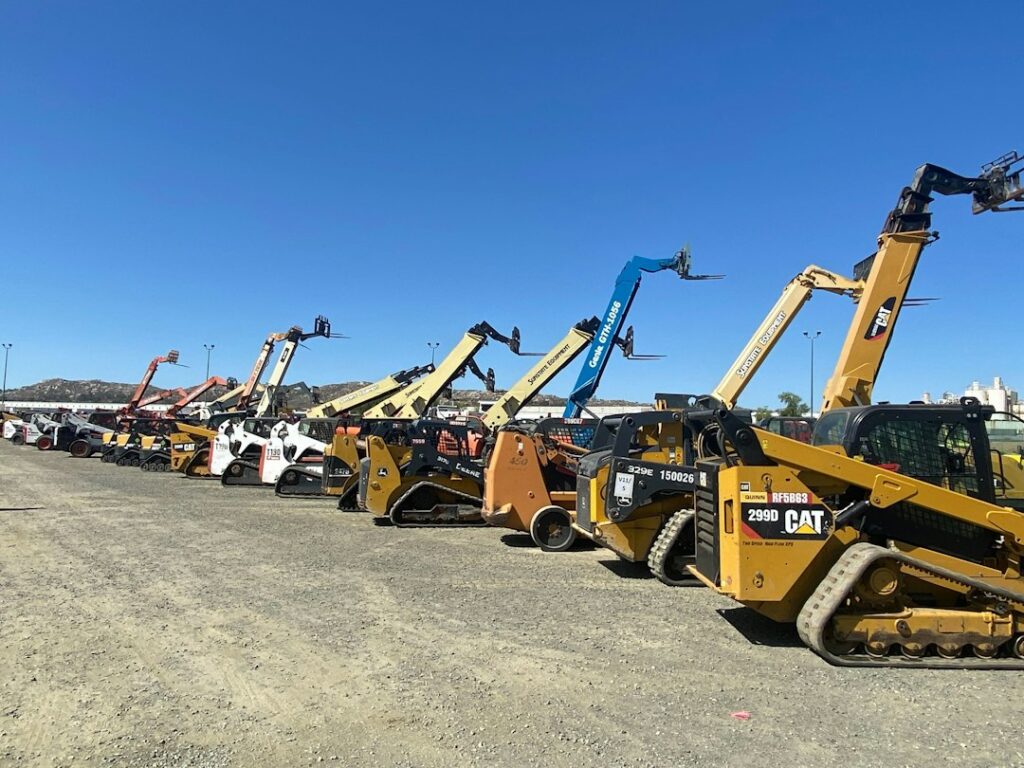
Renting equipment can make sense when a project needs specialized tools for only a limited period, but the length of the rental often affects the total cost, scheduling, maintenance responsibilities, and transportation arrangements. For residents in Johnstown, NY, the right choice depends less on the label “long-term” or “short-term” and more on how often the equipment will be used, how predictable the project timeline is, and whether ownership would create unnecessary storage or maintenance demands.
What is the difference between a short-term and long-term equipment rental?
A short-term rental usually covers a brief period, such as a few hours, one day, a weekend, or several days. A long-term rental extends for multiple weeks or months, depending on the equipment category and rental agreement.
The basic distinction is duration, but the practical differences are broader:
- Short-term rentals are generally suited to defined tasks with a clear start and finish.
- Long-term rentals are more useful when equipment will be needed repeatedly or continuously over an extended period.
- A project that begins as short-term may become long-term if weather, inspections, material delays, or changing work plans extend the schedule.
A daily rental rate may appear simple, but the total cost can rise quickly if the equipment remains in use for several weeks. Conversely, a long-term agreement may be inefficient if the equipment sits unused for much of the rental period.
When does a short-term rental make more sense?
Short-term rental is often the better fit for a single, concentrated task. Examples include preparing a yard, moving heavy materials, completing a repair, removing snow, or handling a brief construction or cleanup project.
A short rental may be practical when:
- The work can be completed within a predictable time frame
- The equipment will be used intensively during that period
- Storage space is limited
- The equipment would otherwise sit unused for months
- The project depends on a specific weather window
- The user needs a tool that is rarely required
For example, a homeowner may need a compact machine for one weekend of grading or drainage work. Renting for the exact working period avoids the purchase price, long-term storage, and maintenance obligations associated with ownership.
Short-term rentals also make it easier to match equipment to individual tasks. A person may need one type of machine for excavation and another for hauling or surface preparation. Renting only what is needed for each phase can prevent paying for equipment that is not currently being used.
When is a long-term rental more practical?
Long-term rental may be more economical or convenient when the equipment is needed regularly over several weeks or longer. This commonly applies to extended renovation projects, seasonal work, ongoing property maintenance, infrastructure repairs, or projects with uncertain completion dates.
A longer rental can be helpful when:
- Work will continue across multiple phases
- The equipment must remain available between workdays
- Returning and re-renting would create transportation complications
- The project schedule is affected by weather or inspections
- Several people or crews need access to the same equipment
- Purchasing would tie up money in an item with limited future use
In a rural or semi-rural area, transportation can influence the decision as much as the rental rate. Repeatedly arranging delivery, pickup, and return may add time and expense. Keeping the equipment for a longer period may reduce those logistical challenges, especially when the worksite is not close to the rental location.
Long-term use does require more planning. The renter should understand where the equipment will be stored, how it will be protected from weather, who is responsible for routine checks, and what happens if the machine needs repair.
Is long-term rental always cheaper?
No. Long-term rental is not automatically the least expensive option. The total cost depends on the rental rate, usage frequency, transportation, fuel or charging needs, damage responsibilities, insurance requirements, and the amount of time the equipment is actually productive.
A useful comparison is:
Total rental cost = base rental charges + delivery and pickup + fuel or operating costs + required protection or fees + possible extension charges
A long-term rate may reduce the average cost per day, but that advantage can disappear if the equipment remains idle. A short-term rental may cost more per day but less overall if the work is completed quickly.
Before comparing rates, estimate the number of actual working days. If equipment is needed for ten workdays spread across a month, compare both a ten-day rental and a continuous monthly rental. The lower daily rate does not necessarily produce the lower total bill.
How do weather and seasonal conditions affect the choice?
Weather can make rental duration difficult to predict, particularly during winter and spring. Snow, frozen ground, saturated soil, rain, and short daylight hours can delay outdoor work. In Johnstown and the surrounding counties, seasonal conditions may affect grading, excavation, roofing, landscaping, access roads, and exterior repairs.
For a short-term rental, a weather delay can mean losing a planned work window and needing to arrange the equipment again. A longer rental provides more flexibility, but only if the cost of keeping the equipment during idle periods is reasonable.
Before choosing a rental period, consider:
- Whether the work can continue in wet, frozen, or snowy conditions
- Whether the site has reliable access after precipitation
- Whether the equipment can be stored safely overnight
- Whether the project depends on daylight or temperature
- Whether permits, inspections, or material deliveries could cause delays
A realistic schedule should include some allowance for conditions that cannot be controlled. However, paying for several unused weeks is not automatically justified. The decision should reflect the likelihood and cost of delay.
What costs are easy to overlook?
The quoted rental period is only one part of the expense. Transportation, fuel, cleaning, attachments, deposits, taxes, damage waivers, and late-return charges can affect the final amount.
Other considerations include:

- Delivery and pickup: Larger equipment may require special hauling arrangements.
- Fuel or charging: Some equipment must be returned with a specified fuel level or charge.
- Attachments: Buckets, blades, forks, augers, and other accessories may be priced separately.
- Ground protection: Heavy equipment can damage lawns, driveways, pavement, or soft soil.
- Storage: Equipment may need a secure, level, weather-protected location.
- Downtime: A machine that is unavailable because of a mechanical issue can affect the schedule.
- Extension terms: A rental extended by one day may be charged at a different rate than the original daily period.
Ask for the full rental terms in writing and clarify how partial days, weekends, weather delays, breakdowns, and unauthorized use are handled. This is especially important for long-term arrangements because small daily charges can accumulate over several weeks.
Is renting better than buying for a recurring need?
Renting may be preferable when equipment is used occasionally, changes with each project, or requires more storage and maintenance than the owner wants to manage. Buying may be worth considering when the equipment will be used frequently for years and the owner is prepared to handle maintenance, repairs, insurance, depreciation, and storage.
A simple ownership comparison should include more than the purchase price:
- Purchase and financing costs
- Maintenance and repairs
- Insurance and registration, when applicable
- Storage and security
- Depreciation
- Transportation
- Time spent maintaining and operating the equipment
For many households, a recurring seasonal task does not necessarily justify ownership. Using a machine several times each year may still be less expensive through carefully planned rentals, especially when newer or specialized equipment is required.
What should renters check before taking equipment?
Before accepting equipment, inspect it and document its condition. Look for existing damage, worn components, fluid leaks, missing guards, damaged tires or tracks, and operating controls that do not function properly.
The renter should also confirm:
- The equipment is appropriate for the site and task
- The operating instructions are understood
- Required protective equipment is available
- The ground can support the machine’s weight
- Overhead wires, underground utilities, slopes, and narrow access points have been considered
- The rental period and return expectations are clear
Training or professional assistance may be necessary for equipment that creates significant risks, particularly machines used near utilities, steep slopes, traffic, unstable ground, or occupied structures. A lower rental price is not a benefit if the equipment is unsuitable for the operator or the worksite.
Which rental period is right for a project?
Short-term rental is usually appropriate for a focused job with a reliable schedule and intensive equipment use. Long-term rental is more suitable when the equipment must remain available, the project will last through several stages, or transportation and repeated returns would be burdensome.
The most reliable approach is to compare the full cost of each option against the expected number of productive working days. Include local weather, site access, storage, fuel, transportation, and the possibility of delays. That comparison provides a clearer answer than choosing based on the daily rate alone.