

 See My Latest Article on HelloNation
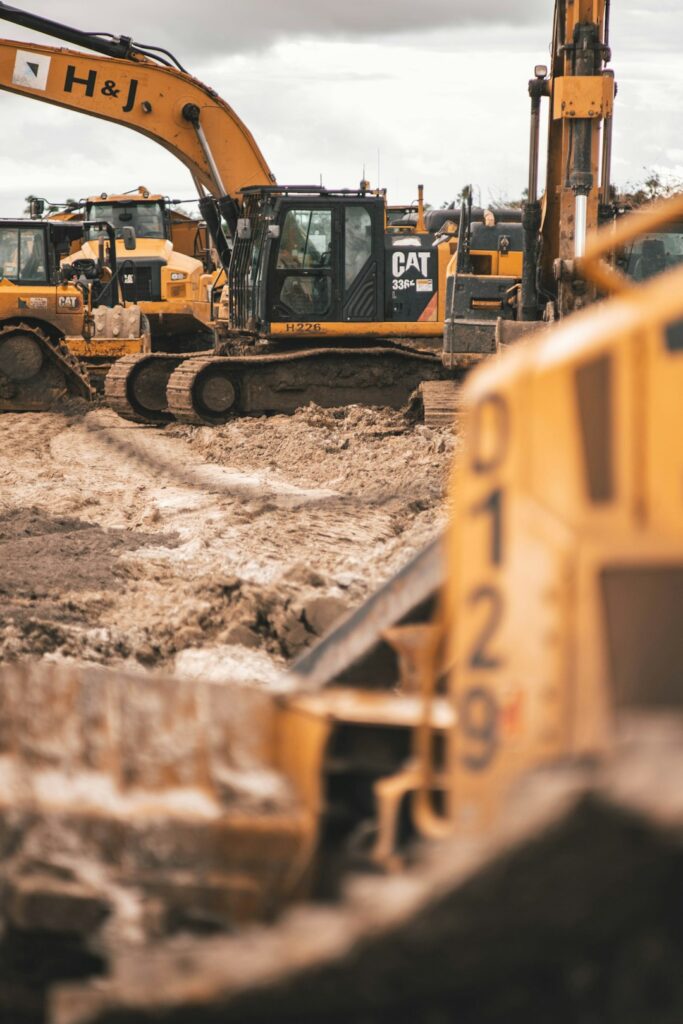
Renting a compact loader, generator, floor sander, trailer, or other equipment can make a home project or property-maintenance job much easier. It also creates questions about financial responsibility if the equipment is damaged, stolen, or involved in an accident.
“Rental insurance” is not one universal type of coverage. Protection may come from a damage waiver in the rental agreement, a separate rental protection plan, an existing homeowners or renters policy, or a commercial insurance policy. Each option covers different risks, and exclusions often matter as much as the coverage itself.
What does equipment rental insurance usually cover?
Equipment rental protection generally addresses physical loss or damage to the rented item. Depending on the agreement, covered causes may include theft, fire, vandalism, accidental damage, or certain weather-related events.
The exact protection depends on the written rental contract. Some agreements use terms such as:
- Damage waiver
- Loss damage waiver
- Physical damage protection
- Rental equipment insurance
- Limited liability for damage
These terms should not be treated as interchangeable. A damage waiver may be a contractual arrangement that reduces the renter’s responsibility, while an insurance policy is regulated coverage issued by an insurer. The rental document should explain whether the charge is insurance, a waiver, or another form of protection.
Coverage may also be limited by a deductible, maximum payment, equipment category, rental period, or stated replacement value. New York public equipment-rental contracts, for example, may require physical-damage coverage for the full rental period and separate proof of insurance before the rental begins. ([ogs.ny.gov](https://ogs.ny.gov/system/files/documents/2019/12/23182i_heavyequiprental_2019-12-09.pdf?utm_source=openai))
Does homeowners or renters insurance cover rented equipment?
Sometimes, but not automatically and not always adequately.
A homeowners or renters policy may provide limited coverage for personal property temporarily away from the residence. However, the policy may define rented or borrowed equipment differently from personally owned property. Business use, construction activity, motorized equipment, and high-value machinery may be excluded or subject to special limits.
New York’s Department of Financial Services explains that renters insurance generally protects a tenant’s personal property and personal liability, while the building owner’s policy does not insure the tenant’s belongings. That does not mean a standard renters policy will fully cover a rented skid steer, trailer, commercial generator, or similar item. ([dfs.ny.gov](https://www.dfs.ny.gov/consumers/help_for_homeowners?utm_source=openai))
Before relying on an existing policy, check:
- Whether rented equipment is included
- Whether coverage applies away from the residence
- Whether theft is covered
- Whether accidental damage is covered
- Whether business or paid work is excluded
- Whether outdoor storage or overnight parking changes coverage
- Whether the equipment’s full replacement cost exceeds policy limits
- Whether a deductible applies
An insurance agent can interpret the policy, but the rental agreement still controls the renter’s contractual obligations.
What is usually not covered?
Exclusions vary, but several limitations appear frequently in rental agreements and insurance policies.
Damage may be excluded when it results from:
- Intentional misuse or reckless operation
- Failure to follow operating instructions
- Use by an unauthorized operator
- Unauthorized relocation or subleasing
- Operation while impaired
- Use outside the permitted area
- Mechanical breakdown caused by neglect
- Normal wear and tear
- Gradual deterioration
- Overloading or using the equipment for an unsuitable task
- Failure to secure the equipment against theft

For example, a machine left unsecured overnight may be treated differently from equipment stolen despite reasonable security measures. A rented aerator damaged while being used on unsuitable terrain may also fall outside a waiver if the agreement restricts that use.
Coverage often does not pay for the renter’s lost time, project delays, replacement labor, landscaping repairs, or damage to unrelated property. Those losses may involve liability insurance rather than physical-damage protection.
Does rental protection cover injuries or damage to other property?
Usually, physical-damage coverage protects the rented equipment itself. It does not necessarily provide liability coverage for injuries or property damage caused while using the equipment.
Liability concerns may arise if:
- A machine strikes a parked vehicle
- A trenching tool damages an underground utility
- A ladder or lift injures another person
- A generator causes a fire
- A trailer becomes involved in a roadway accident
- Equipment damages a neighbor’s fence, driveway, or landscaping
Homeowners and renters policies may include personal liability coverage, but business activity and motorized vehicles can create exclusions. Commercial users may need commercial general liability, inland marine coverage, equipment-floater coverage, or commercial auto insurance, depending on the equipment and work involved.
New York state contract requirements often separate physical-damage coverage from liability coverage and may require certificates of insurance or additional-insured provisions. Those requirements are especially relevant to contractors, municipalities, and businesses rather than ordinary household users. ([online.ogs.ny.gov](https://online.ogs.ny.gov/purchase/snt/awardnotes/7200723182TC.pdf?utm_source=openai))
What should renters check before picking up equipment?
The most useful time to review coverage is before signing the rental agreement. Ask for clear answers about responsibility rather than assuming that a fee labeled “protection” covers every loss.
Check these details:
1. Covered causes of loss: Is theft included? What about vandalism, fire, collision, overturn, or weather damage?
2. Deductible: How much must the renter pay before protection applies?
3. Maximum responsibility: Is liability limited to a stated amount, the equipment’s replacement value, or another figure?
4. Authorized users: May a spouse, employee, neighbor, or subcontractor operate the equipment?
5. Approved locations: Can the equipment be moved to another property or county?
6. Security requirements: Are locks, enclosed storage, lighting, or overnight removal required?
7. Reporting deadlines: How quickly must theft, damage, or an accident be reported?
8. Proof of insurance: Is a certificate or policy endorsement required before release?
9. Road use: Is the equipment legal and insured on public roads, or only on private property?
10. Exclusions: Are underground utilities, attachments, tires, glass, tracks, batteries, or accessories treated separately?
Photographing the equipment at pickup can help document its condition. Record existing dents, broken lights, worn tires, missing guards, and attachments. The renter should also photograph the equipment when it is returned and retain the contract, inspection sheet, payment record, and incident documentation.
How does local weather affect rental risk?
Seasonal conditions in the area can change the likelihood and type of damage. Freeze-thaw cycles may soften ground and create unstable surfaces. Snow and ice can reduce traction, while spring mud can cause equipment to become stuck or overturn. Heavy rain may affect excavation work, drainage, and temporary storage.
A weather event is not automatically covered simply because it is unexpected. Coverage may depend on whether the equipment was properly stored, secured, operated, and maintained according to the agreement. For outdoor rentals, the storage location and preparation plan deserve as much attention as the equipment itself.
What should someone do after damage or theft?
Stop using damaged equipment if continued operation could worsen the condition or create a safety hazard. Notify the rental provider promptly and follow the agreement’s reporting instructions.
For theft, vandalism, a collision, or an injury, a police or incident report may be required. Preserve photographs, witness information, receipts, and relevant communications. Do not authorize major repairs or move severely damaged equipment unless the rental provider or insurer gives instructions.
The central question is not simply whether “insurance” was purchased. The practical questions are what type of protection applies, which losses are excluded, how much responsibility remains, and whether the equipment was used exactly as the agreement allowed.