

 See My Latest Article on HelloNation
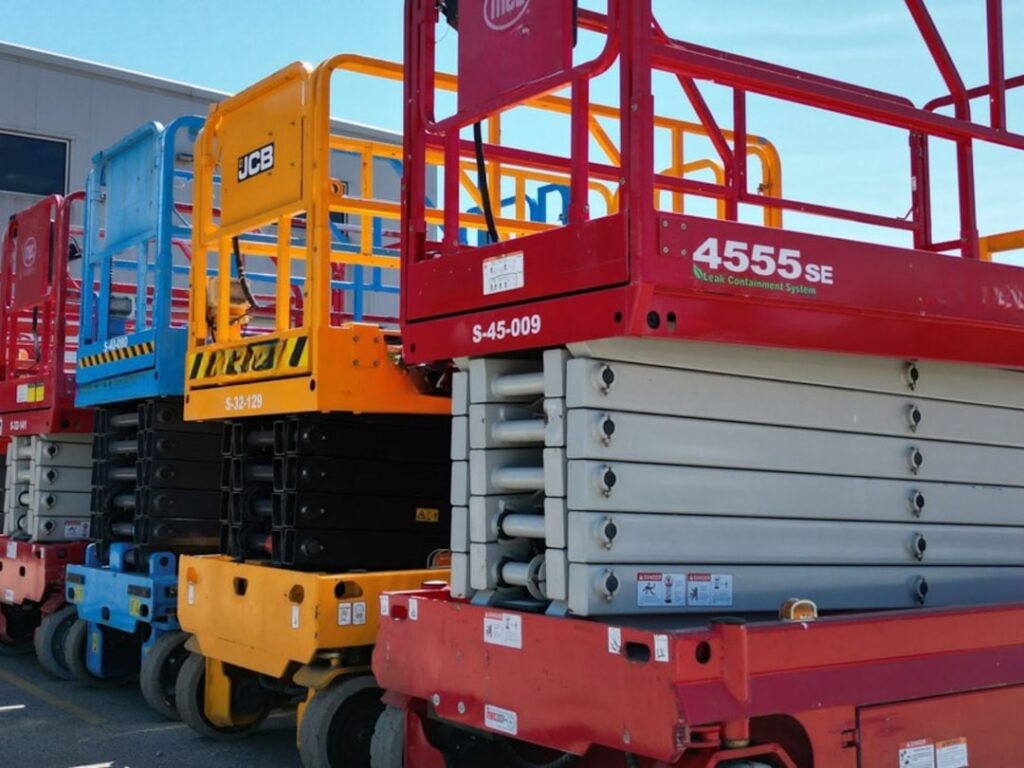
Why Does Equipment Condition Matter for Johnstown, NY Rentals?
Rental equipment in Johnstown, NY is often passed from one household or business to another, and its reliability plays a direct role in safety and project outcomes. Well-maintained tools, vehicles, and machinery reduce the risk of on-site accidents, breakdowns, and project delays. In the city's mix of residential, commercial, and rural settings, equipment faces seasonal extremes—including icy winters and humid summers—making upkeep especially important.
What Are Signs of Cleanliness and Basic Care?
Visual inspection gives an immediate sense of how thoughtfully equipment is managed. Cleanliness isn’t just about appearance; it helps identify worn parts, leaks, or hidden damage.
- Check surfaces for dirt, oil, or hardened mud—signs the item may not have been recently inspected.
- Look at control panels, handles, and wheels for excessive dust, grime, or worn grips.
- Examine manufacturer labels and safety stickers; these should be visible and intact.
A clean exterior suggests recent attention. However, avoid assuming a spotless look means thorough maintenance—a deep inspection goes further.
How Can You Tell If Equipment Has Been Properly Serviced?
Beyond appearance, ask about routine servicing or look for clues:
- Modern equipment sometimes has maintenance logs or inspection tags; check for dates and signatures.
- Listen and observe on startup—smooth, even sounds are promising. Unusual rattling, smoke, or sticking switches point to underlying issues.
- Look at tire treads (on carts, trailers, forklifts) for excessive wear and at fluid reservoirs (oil, hydraulic, coolant) for proper levels and clear color.
Proper servicing is especially important during Johnstown’s cold winters, when batteries, fluids, and seals experience stress. Ask if seasonal checks—like antifreeze for engines—are part of the routine.
What About Safety Features and Moving Parts?
Functioning safety features show a commitment to keeping renters secure:
- Test emergency stops, guards, and lock-out devices.
- Inspect all moving parts for lubrication and intact protective covers.
- Cords and hoses should be free of fraying, kinks, or leaks.
In older tools or heavy equipment, ensure interlocks and backup signals operate as expected. In damp or snowy periods, electrical tools should have secure, undamaged insulation.
Should You Consider the Age of the Equipment?
Age alone doesn’t determine quality—some well-maintained older models are highly dependable. However, newer equipment may offer updated safety and energy features.
- Focus on visible wear and performance instead of year of manufacture.
- Ask if the item has received recommended manufacturer updates or recalls.
For Johnstown residents handling projects in outbuildings, yards, or harder-to-reach sites, durability and safe operation matter more than aesthetics or novelty.
How Do Local Conditions Affect Maintenance Priorities?
The regional climate creates specific challenges. Spring thaw and rainy periods can rust metal and short-circuit electrics if items aren’t stored correctly. In winter, salt used for deicing can corrode undercarriages and exposed hardware.
- Equipment that lives outdoors should show no evidence of rust streaks, corrosion, or pitting—especially around joints or bolts.
- Engines stored over winter should start promptly and run smoothly.
Well-maintained equipment in this area often includes protective lubricants, dust shields, or winterized components.
Are There Less Obvious Details to Check Before Accepting a Rental?
A few overlooked details can offer insight into underlying care:
- Small connectors—like pins, clips, or screws—should be present and tightly fitted.
- Hydraulic hoses on lifts or tractors must be flexible and dry, not brittle or wet.
- Latches, catches, and locks shouldn’t stick or require excessive force.
- Digital displays or meters should function fully.

Take a few minutes to cycle through gears, test brakes, or raise and lower any moving arms. For tools with batteries, ask about age and charging procedures—older, degraded batteries will limit performance.
What Are Common Misconceptions About Cleanliness and Condition?
It’s easy for residents to assume that all rental equipment is always freshly serviced, or that dirt means neglect. Routine use in Johnstown’s muddy spring or snowy winter can leave surfaces messy even when devices are well cared for. Conversely, polished exterior surfaces can hide deep-seated issues.
- Make sure basics—lubrication, function, fluid checks, and unbroken safety features—come before appearance.
- Never judge by shine alone.
What Are Signs That an Item Might Not Be Well-Maintained?
Certain red flags should give pause:
- Difficulty starting, uneven running, or stalling engines.
- Flickering lights or intermittent controls.
- Fresh oil or fluid leaks under the equipment.
- Safety guards missing or makeshift repairs visible.
When spotting any of these, request a replacement item or clarification on past repairs. Local residents are encouraged to prioritize safety, especially for equipment used in more remote or poorly lit worksites.
How Should Seasonal Needs Shape Your Inspection?
Johnstown’s seasonal temperature swings—from snowy winters to humid summers—mean that demand for certain equipment (like snow blowers, chain saws, or dehumidifiers) spikes at specific times.
- In winter, check for snow and ice buildup in moving parts and ask about last winter’s tune-ups.
- During summer, electrical items and pumps should have protected cables and be free of condensation in casings.
Regardless of the project timing, choose equipment with storage and maintenance practices tailored to the local climate.