

 See My Latest Article on HelloNation
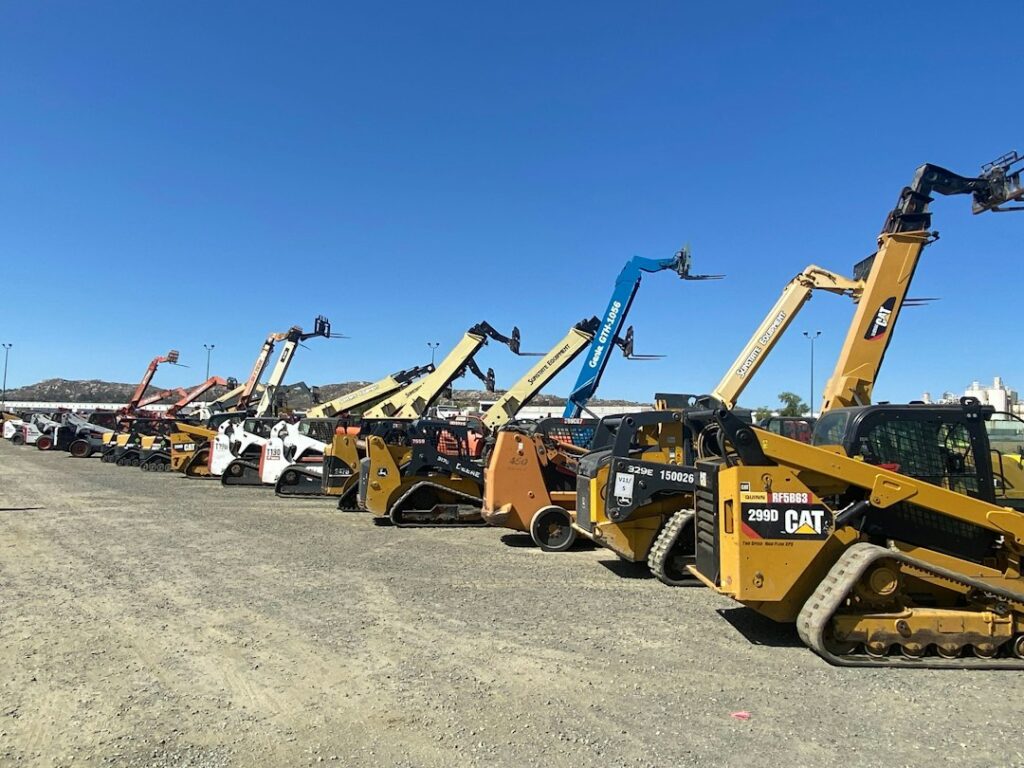
Before rental equipment arrives at a property in Johnstown, NY, the site should be checked for access, ground conditions, overhead hazards, utilities, and enough working room. A few hours of preparation can prevent delivery delays, property damage, stuck equipment, and unsafe unloading.
What should be checked before equipment delivery?
The delivery route, unloading area, and work zone all need to be examined before the equipment is scheduled to arrive. The route should be wide enough for the delivery vehicle and clear of obstacles from the street or driveway to the intended drop-off point.
Walk the entire path and look for:
- Low branches, wires, signs, fences, and narrow gates
- Soft shoulders, drainage ditches, steep slopes, and uneven pavement
- Vehicles, trailers, firewood, landscaping materials, or stored equipment
- Curbs, retaining walls, septic features, decorative surfaces, and fragile paving
- Areas where a delivery vehicle may need to turn around or back up
A driveway that accommodates a passenger vehicle may not provide enough width, clearance, or structural support for a delivery truck carrying heavy machinery. If access is uncertain, measure the narrowest points rather than estimating.
How much space is needed for unloading?
The required space depends on the equipment, delivery method, and unloading procedure. A compact machine may need only a clear driveway and a level parking area, while larger equipment may require room for ramps, stabilizers, outriggers, or a trailer to maneuver.
The unloading area should be:
- Firm enough to support the equipment and delivery vehicle
- Relatively level, without a sharp cross-slope
- Clear of people, pets, vehicles, and loose materials
- Far enough from buildings, walls, trenches, and drop-offs
- Positioned so the equipment can leave the area without crossing unsafe ground
Do not assume that an open lawn is automatically suitable. Wet grass, recently thawed soil, or saturated ground can become rutted under heavy wheels or tracks. In the colder months, frozen ground may support equipment during the morning but soften as temperatures rise.
How can ground conditions be improved?
Ground preparation may involve removing debris, filling minor depressions, improving drainage, or placing suitable ground protection. The goal is to create a stable surface that will not shift, collapse, or cause the machine to slide.
In the Johnstown area, freeze-thaw cycles can leave driveways, yards, and unpaved access lanes uneven. Spring conditions deserve particular attention because snowmelt and rain may saturate soil below the surface. A location that appeared firm during a dry inspection may be unsuitable after several wet days.
Before delivery:
- Clear snow, ice, mud, branches, and construction debris.
- Repair or avoid potholes and soft edges.
- Keep equipment away from open drainage channels and steep embankments.
- Use appropriate mats or temporary surface protection where needed.
- Avoid placing heavy equipment over underground features unless their capacity is known.
Ground protection should be selected for the equipment’s weight and the surface beneath it. Thin boards or household materials may break, shift, or become slippery under concentrated loads.
What overhead hazards need attention?
Overhead clearance is one of the most frequently overlooked delivery concerns. Tree limbs and utility wires can interfere with a tall machine, a raised boom, a dump body, or the delivery vehicle itself.
Inspect the route for:
- Service wires leading to the house or outbuildings
- Low branches over driveways
- Roof overhangs, gutters, and carports
- Temporary decorations, cables, and irrigation components
- Clearance near doorways, garages, and sheds
A machine may fit through an opening at ground level but become hazardous when a boom, bucket, platform, or other attachment is raised. Equipment should never be operated near energized utility lines unless required clearance and safety controls are fully understood. If wires or other overhead hazards are close to the planned route, the drop-off location may need to be changed.
What should be done about underground utilities?
Before digging, drilling, grading, or driving stakes, underground utility locations should be identified through the appropriate public locating process. Private lines may include buried electric service, irrigation, invisible pet fencing, drainage systems, fuel lines, or communications cables that are not covered by a standard public marking request.
Mark the intended work area and consider how far excavation or grading may extend beyond the visible target. A trench, stump-removal area, or post-hole location can affect utilities outside the immediate work spot.
Do not rely on old property sketches, assumptions about where lines run, or the absence of visible utility markers. If the equipment will disturb the ground, utility planning should be completed before delivery.
How should the work area be separated from people?
A safe site has a clearly defined operating zone. Children, visitors, pets, and bystanders should be kept away from the equipment and its travel path. This is especially important in residential areas where sidewalks, driveways, and neighboring properties may be close together.
Remove or secure items that could become trip hazards or be struck by the machine, including:
- Garden hoses and extension cords
- Hand tools and loose lumber
- Outdoor furniture and play equipment
- Lightweight containers and yard decorations
- Portable signs or temporary barriers

If work will occur near a sidewalk, roadway, shared driveway, or property boundary, plan how pedestrians and vehicles will move around the site. Equipment should not block emergency access or create an unexpected obstruction for neighbors.
What paperwork and property rules should be reviewed?
The property owner or renter should confirm any rules that may affect placement or operation. Depending on the project, these may include restrictions on blocking a public way, working near a roadway, using a shared access lane, disturbing drainage areas, or operating during certain hours.
Also verify:
- Who is authorized to accept delivery
- Where the equipment should be placed
- Whether gates will be unlocked
- Whether a person must be present during unloading
- Which surfaces may be used
- Whether photographs of existing damage or conditions are needed
Take clear photos of driveways, lawns, fences, walls, and other nearby features before delivery. This creates a simple record of pre-existing conditions and helps identify areas that require extra protection.
What should be communicated before arrival?
Accurate information helps prevent a driver or operator from arriving at a site that cannot safely receive the equipment. Describe the access route honestly, including narrow gates, steep driveways, soft yards, overhead wires, recent excavation, or limited turnaround space.
Useful details include:
- The equipment type and approximate dimensions
- The preferred unloading surface
- The width and height of the access route
- Surface conditions after recent rain or snow
- Any slope, ditch, bridge, or tight turn
- The location of utilities and restricted areas
If conditions change after the original arrangement—such as heavy rain, snow accumulation, construction activity, or a blocked driveway—the delivery plan should be reviewed before arrival.
What should happen immediately before unloading?
Complete a final walk-through on delivery day. Remove vehicles and obstacles, confirm that the ground remains firm, and keep everyone outside the unloading zone. Make sure gates are fully open and that the planned route is free of ice, standing water, and loose debris.
Do not reposition equipment during unloading unless the delivery operator confirms that the movement is safe. Once the machine is on site, inspect the surrounding area again before starting work. Conditions can change quickly if the equipment creates ruts, approaches a slope, or exposes buried obstacles.
Good preparation is not limited to clearing a driveway. It means matching the equipment to the site, protecting surfaces, identifying hazards, and creating a route that works for both delivery and operation. In a region with seasonal snow, thawing soil, changing weather, and a mix of paved and unpaved residential properties, those checks are especially useful for keeping a rental project orderly and safe.