

 See My Latest Article on HelloNation
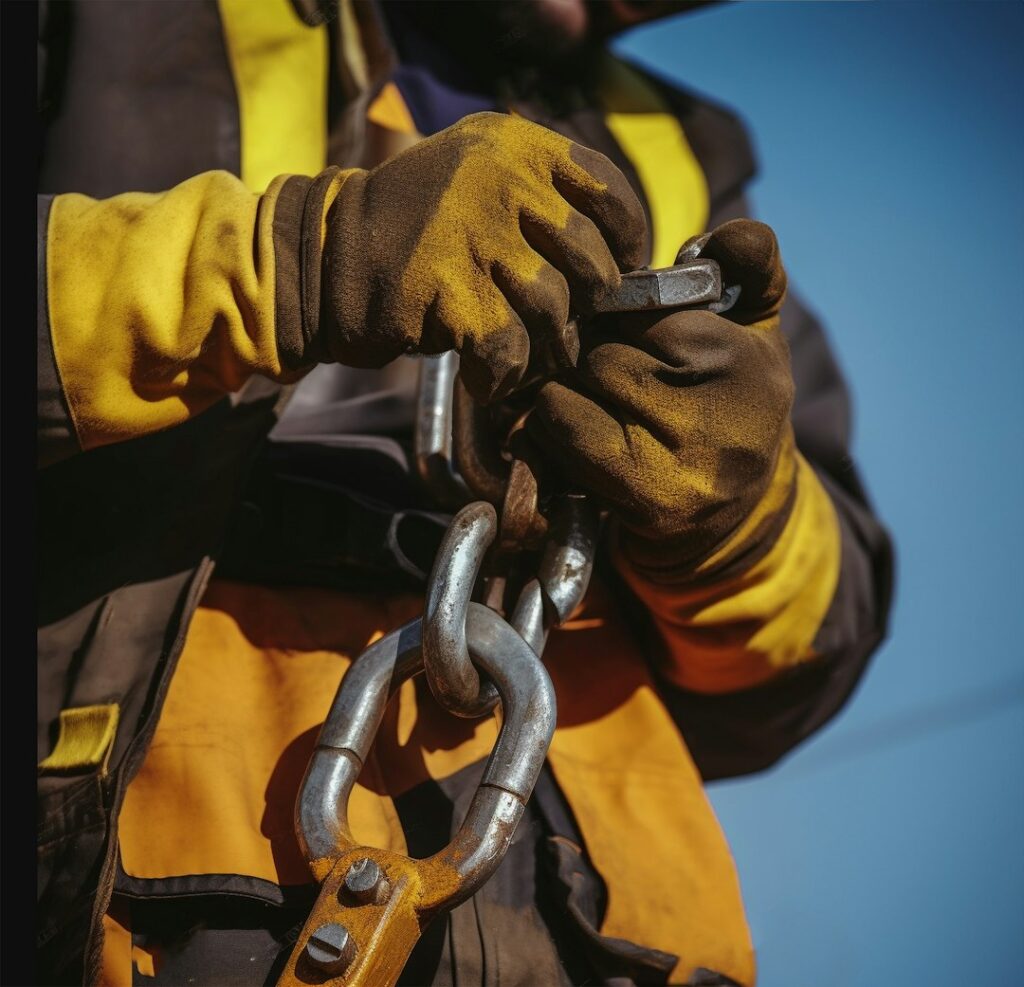
How Can Local Residents Safely Prepare Before Using Rented Equipment?
Understanding how to safely prepare is crucial before starting any project with rental tools or machinery. Residents of Johnstown, NY often rent equipment for everything from weekend home repairs to handling snow removal. Proper preparation helps prevent accidents and avoids unnecessary delays.
- Review the user manual or safety instructions provided with the rental, focusing on operation, maintenance, and hazards.
- Inspect equipment for any visible damage, worn parts, or missing safety guards, and request a replacement if something appears unsafe.
- Use the proper extension cords or power sources for electric equipment, especially in older homes where wiring may be dated.
- Dress appropriately for the job—wear sturdy footwear, gloves, and protective eyewear, even for seemingly simple tasks.
What Safety Equipment Should Be Used With Rented Tools?
Always use personal protective equipment (PPE) matched to the tool and project. Skipping this step is a common mistake that leads to avoidable injuries in the community.
- Eye protection is necessary even when using hand tools, as debris or dust can cause permanent eye damage.
- Hearing protection should be worn for tasks involving chainsaws, grinders, or other loud equipment—prolonged noise exposure can lead to permanent hearing loss.
- Dust masks or respirators are wise for projects generating sawdust, chemical fumes, or paint particles, especially during indoor work in winter months.
- For outdoor projects, consider sun protection and hydration, particularly during humid summers or when handling heavy equipment in open areas.
How Can Equipment Be Safely Transported and Stored?
In Johnstown, variable weather and uneven terrain increase the need to transport and store equipment carefully. Proper handling reduces the risk of injury and damage to both rented items and personal vehicles.
- Secure equipment with tie-down straps or cargo nets, so it doesn't shift during transport on rural roads or in town.
- Use ramps or enlist extra help when loading heavy machinery to prevent strains and back injuries.
- Store all equipment in a dry, covered area; moisture exposure (common during spring thaw or wet autumns) can lead to malfunction or rust.
- Keep tools out of reach of children or pets and lock up hazardous equipment when not in use.
What Common Hazards Are Overlooked With Equipment Rentals?
Some hazards aren’t obvious to occasional users and can catch even seasoned DIYers off guard in the area.
- Electrical shock remains a risk when using power tools outdoors or near plumbing—always check for local weather advisories that may indicate wet or icy conditions.
- Carbon monoxide poisoning can occur with gas-powered equipment used in garages or basements; always run these machines outside and ensure good ventilation.
- Lawn and garden equipment can damage underground utilities; call 811 before digging to avoid striking buried gas or power lines.
- Slips and falls are frequent when clearing snow or working on uneven ground. Salt walkways and wear non-slip boots in winter.

How Does Seasonal Weather in Johnstown Affect Equipment Safety?
Each season in Johnstown brings specific safety concerns that renters should prepare for as conditions shift.
- In winter, ice and snow make surfaces hazardous—handle equipment with care to avoid falls and keep pathways clear.
- Spring and summer can mean muddy, unstable ground and high humidity, both of which affect how equipment functions and how safely it can be handled.
- In autumn, falling leaves can hide trip hazards or make surfaces slippery, so clear the area before starting any outdoor project.
How Should Residents Respond to Accidents or Malfunctions?
Understanding the right steps to take when something goes wrong can minimize risk and prevent further harm.
- Immediately stop using any equipment that feels off, vibrates excessively, or produces unusual sounds or smells.
- Unplug or shut down the equipment before inspecting it and never attempt repairs unless you are specifically qualified and authorized to do so.
- Clean up any spills, debris, or scattered tools promptly so the worksite remains as safe as possible for everyone.
If there is a serious injury, call emergency services first, then report the incident as needed for documentation and safety follow-up.
Are There Local Regulations or Guidelines for Rented Equipment Use?
While Johnstown does not generally require special permits for private equipment rentals used on residential property, certain projects may fall under city or county codes—especially when using larger machines outdoors.
- Be mindful of noise ordinances, especially when operating powered equipment early or late in the day.
- Special care is required when using rented lifts, excavators, or other heavy machinery near public right-of-ways or roads.
- For any publicly visible projects, such as tree removal or large-scale landscaping, it’s wise to check with municipal offices about restrictions or notification requirements.
Following local guidelines not only helps avoid fines but contributes to a safer, more considerate neighborhood environment.